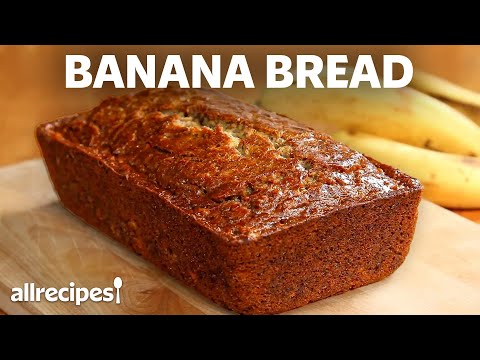
Mastering Banana Bread: Expert Tips for a Consistently Moist Loaf & Optimal Storage
There are few aromas as comforting and inviting as a freshly baked loaf of banana bread wafting through the home. It’s a timeless classic, a beloved treat that bridges the gap between breakfast and dessert. Yet, achieving that perfect, moist, and flavorful loaf can sometimes feel like a culinary quest. Have you ever baked a batch only to find it dry, crumbly, or lacking that quintessential banana punch? You’re not alone. This comprehensive guide will equip you with expert tips and tricks, ensuring every batch of banana bread you bake is moist, delicious, and stored perfectly for maximum enjoyment.
At its heart, great banana bread is a celebration of simple ingredients transformed into something extraordinary. Friends, family, and online communities consistently rave about recipes that deliver on intense banana flavor and an incredibly tender crumb. It’s a no-fuss, comforting bake that, with a few key insights, can become your signature dish.
The Quest for Unbeatable Moistness: Key Ingredients & Techniques
The secret to truly spectacular, super moist banana bread isn't a single magical ingredient, but rather a harmonious blend of specific components and precise techniques. Each element plays a crucial role in preventing dryness and enhancing the overall texture and taste. As we discuss in more detail in our article The Secret to Super Moist Banana Bread: Maximize Flavor & Freshness, understanding these foundational principles is paramount.
Essential Ingredients for Moisture Retention:
- Butter: Beyond its incredible flavor, butter contributes significantly to the richness and tender texture of your banana bread. Its fat content helps to coat flour particles, preventing excessive gluten development and keeping the crumb soft and moist. Using room-temperature butter ensures it creams beautifully with sugar, incorporating air and creating a lighter texture.
- Brown Sugar: This is a secret weapon for moisture. Unlike white sugar, brown sugar contains molasses, which is naturally hygroscopic – meaning it attracts and retains moisture. This not only sweetens the bread but also adds a subtle caramel note and an invaluable boost of moisture that keeps your loaf soft for longer.
- Eggs: Eggs are the ultimate binding agent in baking, holding the batter together and providing structure. More importantly for moisture, the yolks contribute fat and emulsifiers, which enrich the dough and help create a tender, uniform crumb. They also add a touch of leavening, working alongside baking soda to give the bread its rise.
- Ripe Mashed Bananas: The star of the show, ripe bananas are naturally packed with moisture. As bananas ripen, their starches convert to sugars, making them sweeter and softer. This natural sweetness and high water content are indispensable for a moist and flavorful loaf. We'll delve deeper into the importance of ripeness next!
Crucial Baking Techniques:
Even with the best ingredients, technique can make or break your banana bread. Keep these tips in mind:
- Don't Overmix: This is perhaps the most common pitfall in quick bread baking. Once you've combined your wet and dry ingredients, stir just until everything is incorporated and no dry streaks of flour remain. Overmixing develops the gluten in the flour too much, leading to a tough, dense, and potentially dry loaf. Think of it as a gentle coaxing, not a vigorous beating.
- Bake Until Just Done: Timing is everything. Baking your banana bread for too long is a surefire way to dry it out. Start checking a few minutes before the recipe suggests. The bread is perfectly done when a toothpick inserted into the center comes out with moist crumbs attached, not wet batter. If it comes out completely clean, you might already be on the edge of overbaking. A standard 9x5 loaf pan usually takes 65-70 minutes, but ovens vary, so rely on the toothpick test!
The Undisputed King: Why Ripe Bananas Reign Supreme
When it comes to banana bread, the quality and ripeness of your bananas are non-negotiable. As highlighted in our article Perfect Banana Bread: Why Ripe Bananas & Quick Prep Matter, this single factor can profoundly impact the flavor, sweetness, and moisture of your final product. You simply cannot compromise on banana flavor!
Forget green bananas, and even perfectly yellow ones won't cut it. For the absolute best banana bread, you need bananas that are yellow with abundant brown spots – or even entirely brown and soft. This stage of ripeness is crucial for several reasons:
- Intensified Sweetness: As bananas ripen, their starches convert into natural sugars, making them significantly sweeter. This natural sweetness reduces the amount of added sugar you might need and deepens the overall flavor profile.
- Enhanced Flavor: Ripe bananas develop a more complex, concentrated banana flavor that truly shines through in the baked bread. Less ripe bananas will yield a milder, less distinct taste.
- Increased Moisture: Overripe bananas are softer and more pliable, making them easier to mash and releasing more of their natural moisture into the batter. This directly contributes to a wonderfully moist loaf.
Expert Tip for Mashing: The best and easiest way to mash ripe bananas is with a simple fork. Their soft texture makes quick work of it, and a few small lumps are perfectly fine – they add a rustic texture and bursts of banana flavor.
What if your bananas aren't ripe enough? If you have a sudden craving for banana bread but only have yellow bananas, you can speed up the ripening process. Place them on a baking sheet and bake at a low temperature (around 300°F/150°C) for 15-30 minutes until their skins turn black. Let them cool completely before mashing.
Beyond the Basics: Elevating Your Banana Bread Game
While a classic plain banana bread is wonderful on its own, there's always room for personalization. Adding a few extra ingredients can take your loaf from great to absolutely unforgettable.
- Nuts: Toasted walnuts or pecans add a delightful crunch and nutty flavor that complements the sweetness of the banana beautifully. Fold them in at the end, just before pouring the batter into the pan.
- Chocolate Chips: A universal crowd-pleaser! Semi-sweet or dark chocolate chips melt into delicious pockets of gooey goodness, contrasting wonderfully with the banana.
- Spices: A pinch of cinnamon, nutmeg, or even a touch of allspice can add warmth and depth to your banana bread.
- Vanilla Extract: While often included, ensuring you use good quality vanilla extract can significantly boost the overall aroma and flavor.
- A Splash of Booze: For an adult twist, a tablespoon or two of rum, bourbon, or even a banana liqueur can enhance the complexity and add a sophisticated touch.
- Citrus Zest: A little orange or lemon zest can brighten the flavor profile, offering a subtle counterpoint to the sweetness.
Remember to not overload your batter with add-ins, as too many can affect the bread's structure and baking time. A general rule of thumb is no more than 1 to 1.5 cups of total add-ins for a standard loaf.
Mastering Storage: Keeping Your Loaf Fresh & Delicious
Once you've baked that perfect, moist loaf of banana bread, you'll want to ensure it stays fresh for as long as possible. Proper storage is key to locking in moisture and preventing sogginess or dryness.
Room Temperature Storage (Up to 4 Days):
This method is ideal for short-term enjoyment and keeping the bread wonderfully soft and moist.
- Cool Completely: This is critical! Never store warm banana bread, as condensation will form and make it soggy. Let it cool fully on a wire rack.
- Paper Towel Method: Line the bottom of an airtight container or a large zip-top bag with a fresh paper towel.
- Layer & Seal: Place the cooled loaf on top of the paper towel. Cover the top of the loaf with another paper towel before sealing the container or bag tightly.
- Location: Store it in a cool, dry place at room temperature.
Why the paper towels? They absorb any excess moisture that the bread naturally releases, preventing it from becoming soggy while still maintaining the overall moisture content within the loaf. This simple trick makes a huge difference!
Avoid Refrigeration: While it might seem counterintuitive, avoid refrigerating your banana bread. The cold, dry air of a refrigerator can actually dry out quick breads more quickly than storing them at room temperature.
Freezing Banana Bread (2-4 Months):
Banana bread freezes exceptionally well, making it perfect for meal prep or saving a batch for later.
- Cool Completely: Again, ensure the loaf is entirely cool before freezing.
- Double Wrap: Wrap the cooled loaf tightly in at least two layers of plastic wrap. This creates a barrier against freezer burn.
- Add Foil: For an extra layer of protection, wrap the plastic-wrapped loaf in aluminum foil.
- Label & Freeze: Label with the date and freeze for 2 to 4 months for optimal quality.
Individual Slices: If you prefer to thaw smaller portions, slice the cooled loaf first, then wrap individual slices in plastic wrap and place them in a freezer-safe bag before freezing. This allows you to grab a single slice whenever a craving strikes.
Thawing: To thaw a whole loaf, simply unwrap it and let it sit at room temperature for several hours or overnight. Individual slices can thaw in about 30 minutes, or you can gently warm them in a microwave or toaster oven for a quick treat.
Conclusion
Mastering banana bread is a truly rewarding endeavor. By understanding the critical role of ripe bananas, the magic of specific moistness-boosting ingredients like brown sugar and butter, and employing careful techniques to avoid overmixing and overbaking, you can consistently achieve a perfectly tender, flavorful, and incredibly moist loaf. With the added knowledge of proper storage – be it at room temperature with a paper towel guardian or carefully frozen for future enjoyment – you’ll be able to savor your homemade banana bread at its very best, every single time. So go forth, embrace those brown-spotted bananas, and enjoy the delicious journey of baking your best banana bread yet!
