Unlocking the Ultimate Flavor: Why Ripe Bananas Are Your Banana Bread's Best Friend
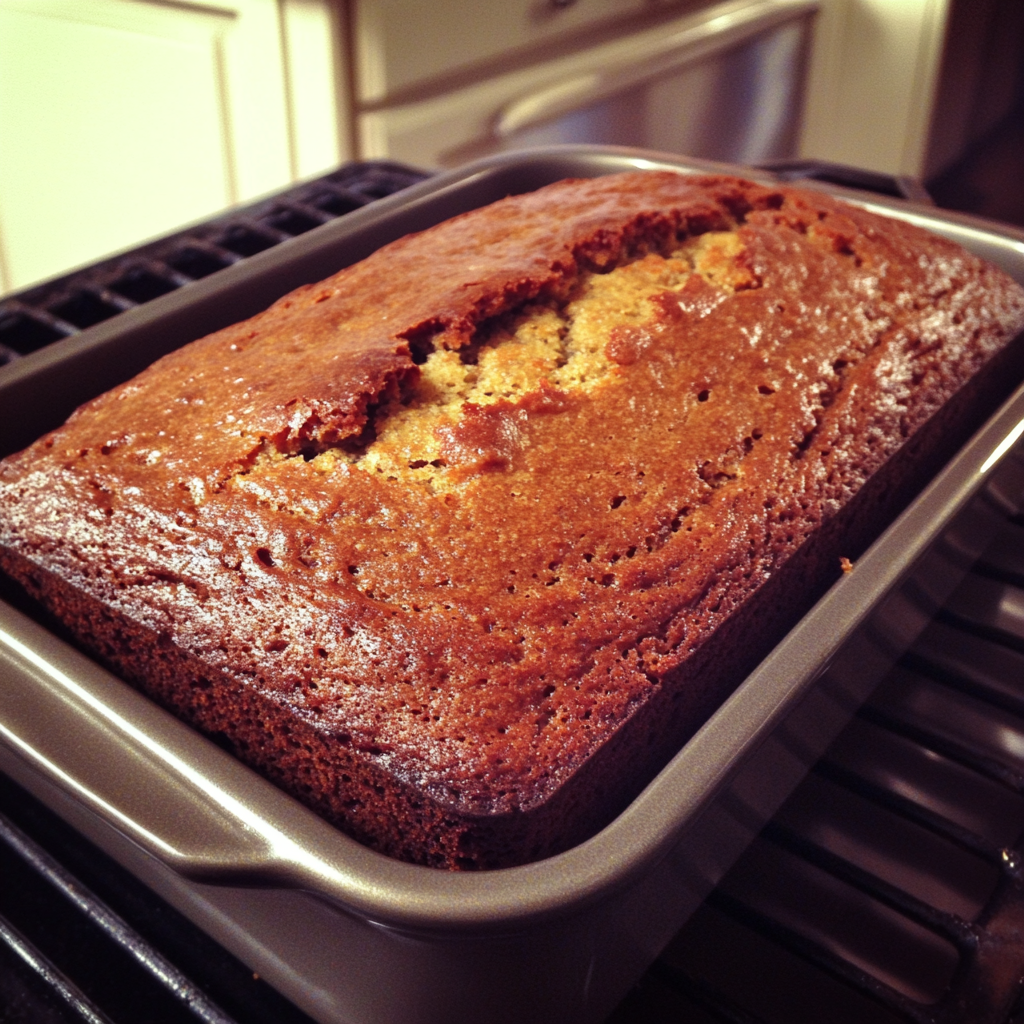
There's a universally satisfying aroma that signals comfort and home: freshly baked banana bread. That golden-brown loaf, perfectly moist with pockets of sweet banana goodness, is a treat loved by many. But what truly elevates a good banana bread to an unforgettable one? It all starts with understanding two crucial elements: the profound impact of ripe bananas and the efficiency of a quick, no-fuss preparation.
Forget compromising on flavor; the secret to a truly exceptional banana bread lies not just in a great recipe, but in the intelligent use of your ingredients and a smart baking approach. This guide will delve into why those spotty, neglected bananas on your counter are culinary gold, and how a streamlined process can consistently deliver a moist, delicious loaf that friends and family will rave about.
The Golden Rule of Ripeness: Why Brown Spots Mean Bigger Flavor
When it comes to banana bread, green bananas are an absolute no-go. Even perfectly yellow bananas, while fine for snacking, won't deliver the depth of flavor or texture you're after. The real magic happens with overripe bananas—those yellow beauties adorned with an abundance of brown spots, or even entirely brown peels.
- Intensified Sweetness: As bananas ripen, their starches convert into natural sugars. This process significantly boosts the sweetness, meaning you need less added sugar in your recipe and get a richer, more authentic banana flavor.
- Enhanced Moisture: Ripe bananas are softer and contain more natural moisture than their firmer counterparts. This added liquid contributes directly to a wonderfully moist crumb, preventing your bread from drying out.
- Deeper Flavor Profile: Beyond mere sweetness, overripe bananas develop complex, almost caramelized notes that infuse the entire loaf with an unparalleled banana aroma and taste. This is the cornerstone of that classic, comforting banana bread flavor.
- Effortless Mashing: Soft, ripe bananas are incredibly easy to mash with a fork, creating a smooth, consistent base for your batter without any fuss.
If your bananas aren't quite ready but you're itching to bake, a quick trick is to bake them unpeeled on a baking sheet at 300°F (150°C) for 15-30 minutes, or until the skins are glossy black. Let them cool, then scoop out the softened fruit – instant ripeness!
Crafting Your Loaf: Essential Ingredients & The Art of Quick Prep
One of the beauties of banana bread is its reliance on simple, pantry-staple ingredients. You likely have everything you need on hand, making it a perfect spontaneous baking project. Here's a look at the core components and how quick, mindful preparation makes all the difference:
Key Ingredients for the Perfect Loaf:
- All-Purpose Flour: Provides the fundamental structure for your bread.
- Baking Soda: Our essential leavening agent, responsible for helping the bread rise and achieve its light texture. As a "quick bread," banana bread relies on this chemical leavener rather than yeast.
- Salt: A crucial flavor enhancer. It won't make your bread salty, but it will bring out the natural sweetness and depth of the banana and other ingredients.
- Unsalted Butter: Contributes richness, incredible flavor, and vital moisture to the loaf. Using unsalted butter allows you to control the total salt content.
- Brown Sugar: Sweetens the bread beautifully, but more importantly, it adds an extra layer of moisture compared to white sugar, thanks to its molasses content. It also imparts a lovely hint of caramel warmth.
- Eggs: Act as a binding agent, holding the batter together and contributing to the bread's structure and moisture.
- Overripe Bananas: The star of the show, providing intense flavor, natural sweetness, and moisture.
The "No-Fuss" Prep Method:
The "quick" in quick bread refers to its fast rising time, but it also hints at the simple, straightforward preparation. Our culinary experts emphasize a "no-fuss" approach, ensuring delicious results without unnecessary complications.
- Mashing Made Easy: The best tool for mashing your ripe bananas? A simple fork! It breaks them down perfectly while leaving just enough texture for those delightful banana pockets.
- The Golden Rule of Mixing: Don't Overmix! This is perhaps the most critical quick prep tip. Once your wet and dry ingredients are combined, stir *just* until everything is incorporated. Overmixing develops the gluten in the flour too much, leading to a dense, tough, and chewy bread, rather than the tender, moist crumb you desire. A few lumps of flour are perfectly acceptable.
- Timely Baking: Quick breads like banana bread typically bake in about 65-70 minutes. Start checking your loaf a few minutes early to prevent overbaking.
By focusing on these simple yet impactful steps, you're well on your way to a perfect loaf. For more in-depth guidance on achieving baking excellence, explore our article on Mastering Banana Bread: Expert Tips for Moist Loaf & Storage.
Achieving the Perfect Moist Texture: Secrets to a Luscious Loaf
A truly great banana bread is synonymous with moisture. Nobody wants a dry, crumbly slice! Fortunately, several elements in our recipe work in harmony to guarantee a wonderfully moist result every time.
- Synergistic Moisture Sources: The combination of butter, eggs, and brown sugar (which, as mentioned, is more hydrating than white sugar) provides a rich, foundational moisture. This is beautifully augmented by the inherent moisture locked within those ripe, mashed bananas. Each ingredient plays a vital role in preventing dryness and contributing to a tender crumb.
- The Art of Baking "Just Done": This is a delicate balance. Baking until *just* done is key to retaining moisture. Overbaking, even by a few minutes, can quickly dry out your bread. The ideal indicator? Insert a toothpick into the center of the loaf. It should come out with moist crumbs clinging to it, not wet batter. If it comes out completely clean, your bread might already be slightly overbaked.
- Post-Bake Moisture Lock: Once your banana bread is out of the oven and slightly cooled in the pan, remove it and wrap the still-warm loaf tightly in plastic wrap or aluminum foil. This traps the residual steam, allowing it to redistribute moisture throughout the bread as it cools, resulting in an even more succulent texture.
These practices are fundamental to creating a banana bread that truly melts in your mouth. For an even deeper dive into achieving that coveted, ultra-moist result, be sure to read The Secret to Super Moist Banana Bread: Maximize Flavor & Freshness.
Storing and Savoring Your Banana Bread: Keeping It Fresh
Once you've baked the perfect loaf, you'll want to ensure it stays fresh and delicious for as long as possible. Proper storage is crucial for maintaining that irresistible moist texture.
Room Temperature Storage (Up to 4 Days):
Banana bread keeps beautifully at room temperature for about four days when stored correctly. The trick is to prevent both drying out and sogginess:
- Place a paper towel at the bottom of an airtight container or zip-top bag.
- Place the completely cooled loaf (or slices) on top of the paper towel.
- Cover the loaf with another paper towel before sealing the container or bag tightly.
The paper towels absorb any excess moisture, preventing the bread from becoming sticky or soggy, while the airtight seal keeps it soft and fresh. Store it in a cool, dry spot on your counter.
Avoid the Refrigerator: While it might seem counterintuitive, refrigerating banana bread can actually dry it out more quickly. The cold environment can alter the bread's texture, making it tougher and less pleasant.
Freezing for Long-Term Enjoyment (2-4 Months):
Banana bread freezes exceptionally well, making it perfect for meal prepping or enjoying a spontaneous slice weeks later. It will maintain its quality for 2 to 4 months in the freezer.
- Ensure the loaf is completely cooled.
- Wrap the entire loaf tightly in a layer of plastic wrap.
- Add a second, secure layer of aluminum foil. This double-wrapping protects against freezer burn and preserves moisture.
- For convenience, you can also freeze individual slices using the same double-wrapping method. This allows you to thaw just what you need, whenever a craving strikes!
Thaw frozen banana bread at room temperature or gently warm individual slices in the microwave or oven for a delightful treat.
Conclusion: The Art of the Perfect Banana Bread
From the moment those first brown spots appear on your bananas to the final, satisfying bite, creating the perfect banana bread is a rewarding journey. It's a testament to how simple ingredients, combined with a little knowledge and care, can yield extraordinary results. By embracing the unparalleled flavor and moisture that only ripe bananas can provide, and by adhering to a quick, mindful preparation that avoids pitfalls like overmixing and overbaking, you're not just baking a loaf—you're crafting a beloved classic.
So, the next time you see those neglected, spotty bananas on your counter, don't despair. Celebrate! They are your invitation to bake the most delicious, moist, and flavorful banana bread you've ever tasted. Enjoy it toasted, plain, or with your favorite spread, and savor the comforting taste of homemade perfection.
